
CBN has potential to treat neurological disorders

In a new study, scientists at the Salk Institute help explain how CBN protects the brain against aging and neurodegeneration.
Protecting brain cells with cannabinol
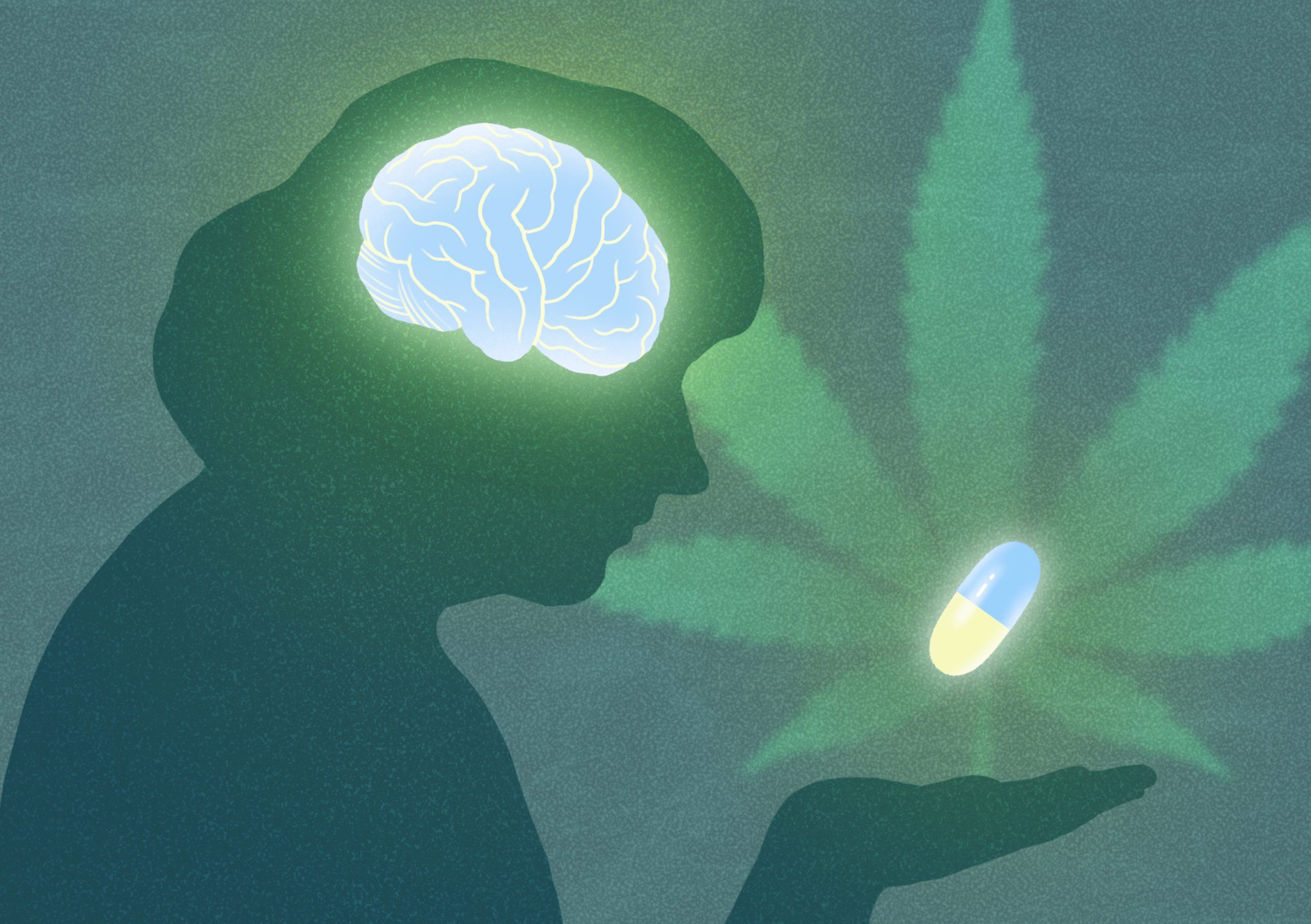
Salk scientists study the neuroprotective properties of cannabinoid CBN
Salk scientists observe cannabinol’s neuroprotective properties in fruit flys and identify cannabinol analogs that could serve as promising future therapeutics for traumatic brain injury, Alzheimer’s, and Parkinson’s
LA JOLLA—One in every 10 individuals above the age of 65 develops an age-related neurological disorder like Alzheimer’s or Parkinson’s, yet treatment options remain sparse for this population. Scientists have begun exploring whether cannabinoids—compounds derived from the cannabis plant, like well-known THC (tetrahydrocannabinol) and CBD (cannabidiol)—may offer a solution. A third, lesser-known cannabinoid called CBN (cannabinol) has recently piqued the interest of researchers, who have begun exploring the clinical potential of the milder, less psychoactive substance.
“Not only does CBN have neuroprotective properties, but its derivatives have the potential to become novel therapeutics for various neurological disorders,” says Research Professor Pamela Maher, senior author of the study.
Many neurological disorders involve the death of brain cells called neurons, due to the dysfunction of their power-generating mitochondria. CBN achieves its neuroprotective effect by preventing this mitochondrial dysfunction—but how exactly CBN does this, and whether scientists can improve CBN’s neuroprotective abilities, has remained unclear.
The Salk team previously found that CBN was modulating multiple features of mitochondrial function to protect neurons against a form of cell death called oxytosis/ferroptosis.
“Our findings help demonstrate the therapeutic potential of CBN, as well as the scientific opportunity we have to replicate and refine its drug-like properties,” says Maher. “Could we one day give this CBN analog to football players the day before a big game, or to car accident survivors as they arrive in the hospital? We’re excited to see how effective these compounds might be in protecting the brain from further damage.”
Read full Salk Article here.



Leave a Reply
Want to join the discussion?Feel free to contribute!